
Meet the Indigenous Leaders Shaping the Future of Skating
In 2025, Skate Canada established the Indigenous Community Circle (ICC), an Indigenous-led advisory group that provides guidance on community engagement and initiatives across the organization.
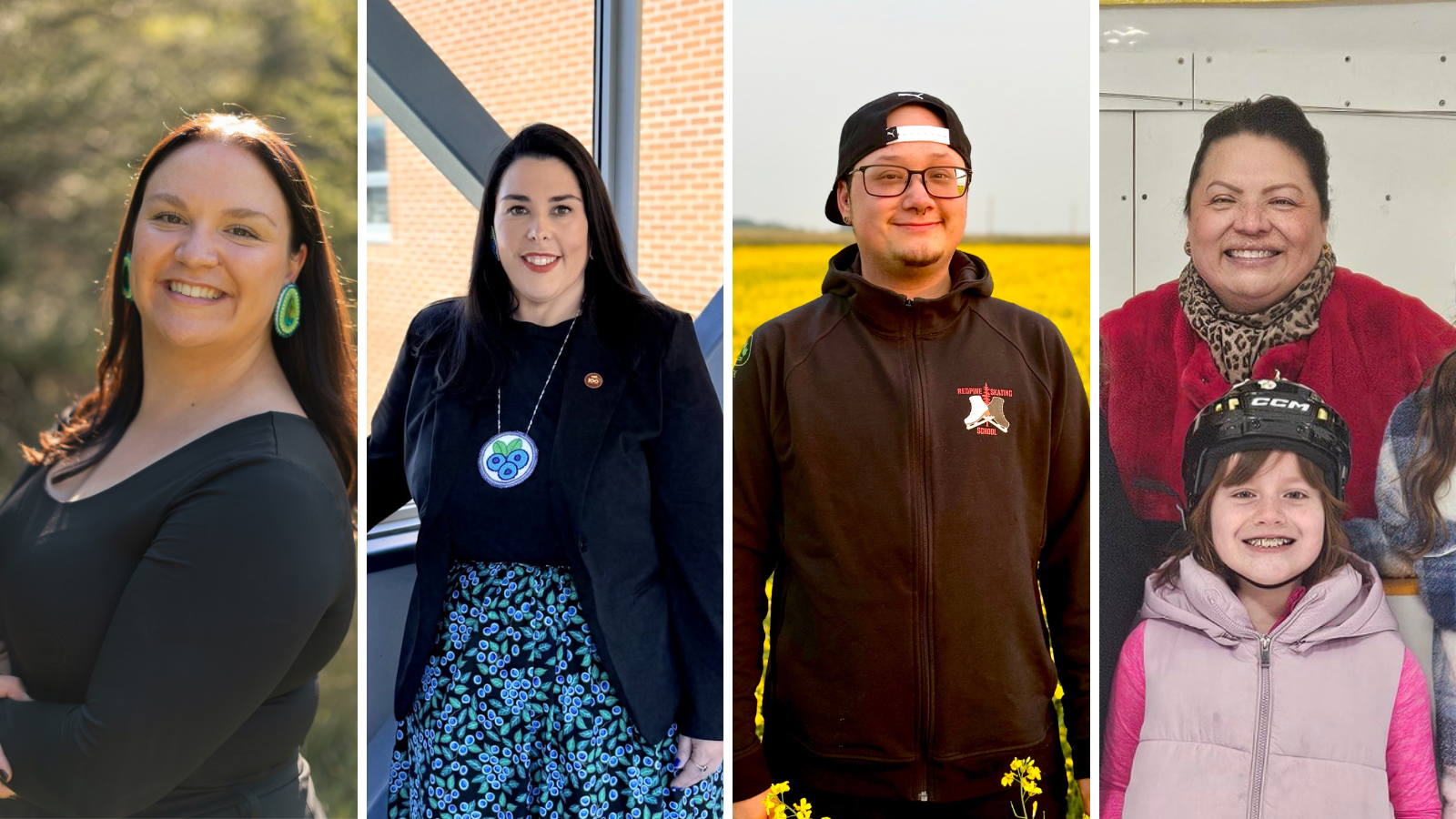
We spoke with four members of the ICC— Kristen Pittman, Nicole Lee, Rhys McAlpine, and Kensi McNaughton—who shared their perspectives on the importance of increasing Indigenous representation both on the ice and in leadership roles throughout the sport.
Kristen Pittman – Mi’kmaw; board member and parent of a skater at Silver Blades Newfoundland.
Nicole Lee – Anishinaabe Kwe from Couchiching First Nation; Skate Canada official and former skater at Thunder Bay Figure Skating Club.
Rhys McAlpine – Cree from Cowessess First Nation; Skate Canada official, coach and founder of RedPine Skating School.
Kensi McNaughton – Six Nations of the Grand River Territory; former skater and volunteer.
How did you get involved in skating?
Kristen – My daughter joined skating in 2021 and has been skating ever since. Through her involvement, I saw firsthand how much small skating communities rely on volunteers to create successful programs, which inspired me to get involved. In 2024, I joined the Silver Blades Skating Club Board of Directors and am now serving my third term as secretary.
Nicole – I started skating at the Thunder Bay Figure Skating Club. when I was three years old. In Grade 12, I represented Northern Ontario at the provincial championships, which was a highlight of my skating career. After high school, I became an official and began judging STAR 1–4. Today, I am a senior sectional and juvenile ice dance judge. I love staying connected to my home clubs and supporting them however I can.
Rhys – My mom was the one who got me into skating. I started on an outdoor rink on Pinehouse Lake in northern Saskatchewan and later continued skating near my home reserve. After high school, I took a break from the sport before returning as a coach in 2015. In 2021, I founded RedPine Skating School, the only Indigenous skating school in Saskatchewan. Our goal is to make skating more accessible for Indigenous youth, particularly in rural communities where affordability and access can be significant barriers.
Kensi – I was about five when I started skating. The year before, I had gone to an ice show where two of my cousins were skating, and I remember asking my mom, “Can I do that?” My first couple of years were tough. I didn’t have the proper equipment, and I struggled quite a bit. I was never what I would call a naturally strong skater, but I worked hard. Then, when I was around 10 or 11, I absolutely fell in love with skating. That passion stayed with me, and eventually I started competing as an adult skater.
What inspired you to join the ICC?
Kristen – I was encouraged to join the ICC by my board of directors. Our president made sure I was aware of the opportunity, as it aligned well with my personal and professional experience in Indigenization and decolonization. I was very excited to get involved. It’s such a great opportunity to help make change and ensure our youth are represented across the country.
Nicole – When I reflect on my skating career, I realize I didn’t see much Indigenous representation in the sport. After getting involved with some of Skate Canada’s EDIA initiatives I thought, “Wow, we can do some really good work here.” There’s an opportunity to increase Indigenous visibility and create a stronger sense of belonging in skating. It’s something I wish I had when I was growing up.
Rhys – After being involved in the Skate Canada mentorship program, I was interested in staying involved. I’m always willing to help with anything that can give our Indigenous communities a voice on the national stage. I love the community we’ve created and being introduced to different cultures and languages, and hearing everyone’s stories and backgrounds.
Kensi – I hurt my back in 2009, and I tried going back to skating in 2014, but it just wasn’t the same. I’ve always loved skating though, so I started volunteering at my niece’s club. Skating is just something that stays with you. It was my passion, and it still is. So, when I saw the ICC in the newsletter, I applied right away. It feels like a way to stay connected. I might not be able to skate anymore, but I can still be part of skating.
Why is Indigenous representation and identity important in skating?
Kristen – I think a lot of times with Indigenous youth, we don’t always think about skating as something they can or should do and excel at. And with my own daughter it can feel like there are two different pathways for her. There’s her Mi’kmaq pathway of dance, culture, history, stories, and community, and then there’s skating. But how do we bring those together? How do we make sure she’s developing a strong sense of self and identity, instead of a fractured one?
Nicole – At the local level, I love wearing beaded earrings from an Indigenous artist, and a lot of kids will come up to me and say they love them, and then we’ll just start chatting about it. I’m really glad I can be that bridge to start those conversations, and for kids to see someone on the panel who looks like them and helps them feel comfortable.
Rhys – Indigenous culture is very rooted in community, in having that support system around you. I think sport can be a good outlet and a safe space for kids. Organized sports help keep them active, while also teaching life skills they can carry forward. Historically, there haven’t always been Indigenous voices contributing to policies affecting our communities. I think having people who’ve lived those experiences is what helps create meaningful change, and that’s what we are doing with the ICC.
Kensi – Identity is important in skating because it’s such an individualized sport. You don’t want to be a cookie-cutter or look like everyone else. I think that’s a big part of identity, how you present yourself out there on the ice. You may not use Indigenous music, but it’s still about representing you, your community, and where you come from.
Across grassroots clubs and national initiatives, the Indigenous Community Circle is helping make skating more accessible and inclusive across Canada. While each member brings a unique journey, they share a common goal of strengthening Indigenous representation in the sport.
As part of its 2026–2030 Strategic Plan, Skate Canada is building meaningful relationships with communities across the country, ensuring that that actions are guided by and aligned with the voices of Indigenous members. Visit our EDIA page to learn more about our commitment and current initiatives.