
Canadians Carry a Winning Legacy into the 2026 Figure Skating World Championships
When the 2026 ISU Figure Skating World Championships kick off next week in Prague, the Canadian team will carry more than just strong momentum from the season; they will also bring with them a long and remarkable history of success in the Czech capital.
Twelve Canadian athletes will take the ice in Prague this year, ten of whom recently competed at the Milano Cortina Olympic Games, continuing a tradition that has produced unforgettable performances in ‘‘The Golden City.’’
A Historic First in 1962
Prague first hosted the World Championships in March 1962, in what was then Czechoslovakia. Originally scheduled for 1961, the championships were cancelled following the tragic crash of Sabena Flight 548, which claimed the lives of all passengers on board—including the entire U.S. figure skating team. When the championships were finally held the following year, the event became both a tribute to those lost and a defining moment in skating history.
With a team of 14 athletes competing, Canada delivered a series of standout performances, taking home a medal in every discipline.
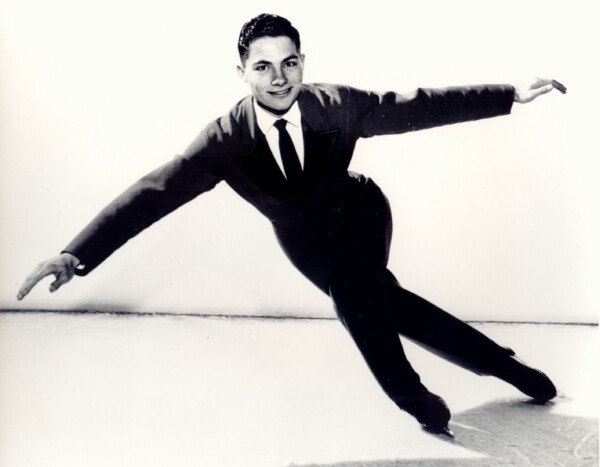
Donald Jackson.
Donald Jackson captured the men’s world title with one of the most legendary free skates of his era. During the program, he became the first skater to land a triple Lutz in competition. His program also included a triple Salchow and an extraordinary variety of jumps—20 in total—featuring different directions, arm positions, and delayed rotations. Judges rewarded the performance with seven perfect 6.0 scores, cementing Jackson’s place in skating history. The four-time Canadian champion and 1960 Olympic bronze medallist left Prague as a world champion.
Just off the podium was Donald McPherson, who finished fourth before going on to win the world title the following year at just 18 years old, becoming the youngest men’s world champion at the time.
Canada also reached the podium in the women’s event. Wendy Griner, a four-time Canadian champion, claimed the silver medal, while rising star Petra Burka finished fourth. Burka would go on to enjoy tremendous success, eventually winning three world medals—including gold in 1965—and Olympic bronze in 1964.
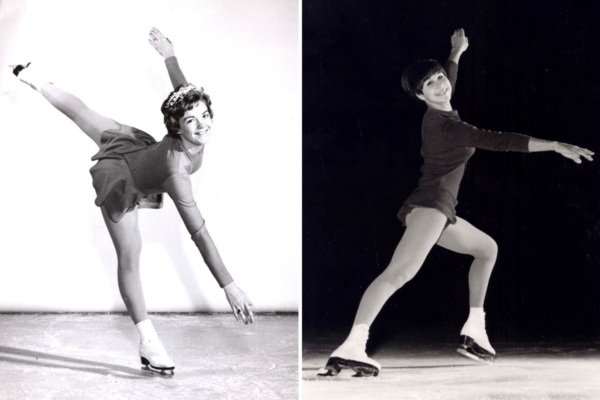
Wendy Griner (left) & Petra Burka (right).
In pairs, siblings Maria and Otto Jelinek delivered Canada’s second gold medal of the championships. The brother-and-sister duo claimed the world title in Prague—the first of four world medals together—before retiring from competition.
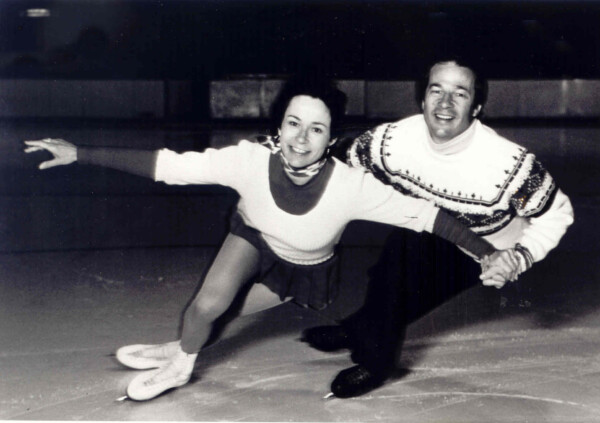
Maria & Otto Jelinek.
For a third time that week, Canada finished just off the podium, with Debbi Wiles and Guy Revell placing fourth. The pair had their moment two years later, winning Olympic silver in 1964 along with a bronze medal at the World Championships.
Three-time Canadian ice dance champions Virginia Thompson and William McLachlan helped establish Canada as a growing force in the discipline, capturing a bronze medal to claim their second world medal.
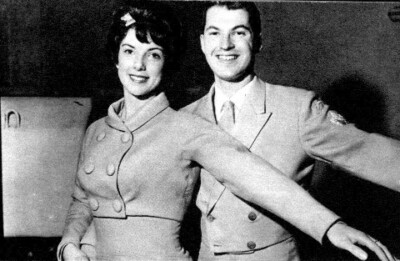
Virginia Thompson & William McLachlan.
By the end of the event, Canada had claimed two gold medals, one silver, and one bronze, firmly establishing a successful legacy in Prague.
Golden Moments in 1993
More than three decades later, Prague again proved to be a memorable stage for Canadian skaters.
The 1993 World Championships took place during a historic moment for the region. On December 31, 1992, Czechoslovakia peacefully dissolved into the independent nations of the Czech Republic and Slovakia, making the 1993 championships one of the first major international sporting events held in the newly formed Czech Republic.
The event also introduced a new competition format: a qualifying round for singles events, where skaters were divided into two groups with the top 12 in each advancing to the free program. Spoiler alert: all Canadian athletes qualified.
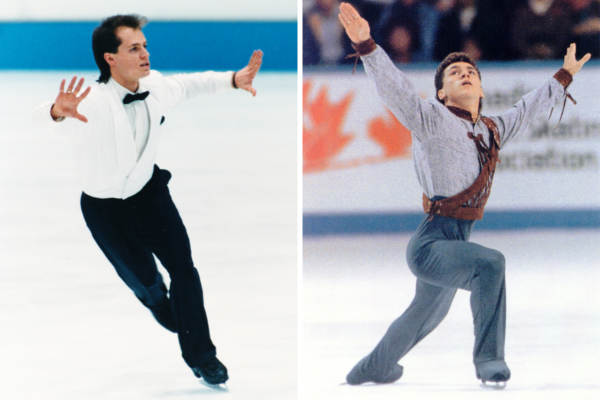
Kurt Browning (left) & Elvis Stojko (right).
In the men’s event, Kurt Browning captured the world title, adding to an already iconic career that included being the first skater to land a ratified quadruple jump in competition at the 1988 World Championships. Browning, who still skates to this day, capped off his professional career with four world titles and five world medals, along with four Canadian national titles.
Right behind him was teammate Elvis Stojko, who earned the silver medal. Stojko would go on to become one of Canada’s most decorated singles skaters with three world titles, six world medals, two Olympic silver medals, and seven national titles.
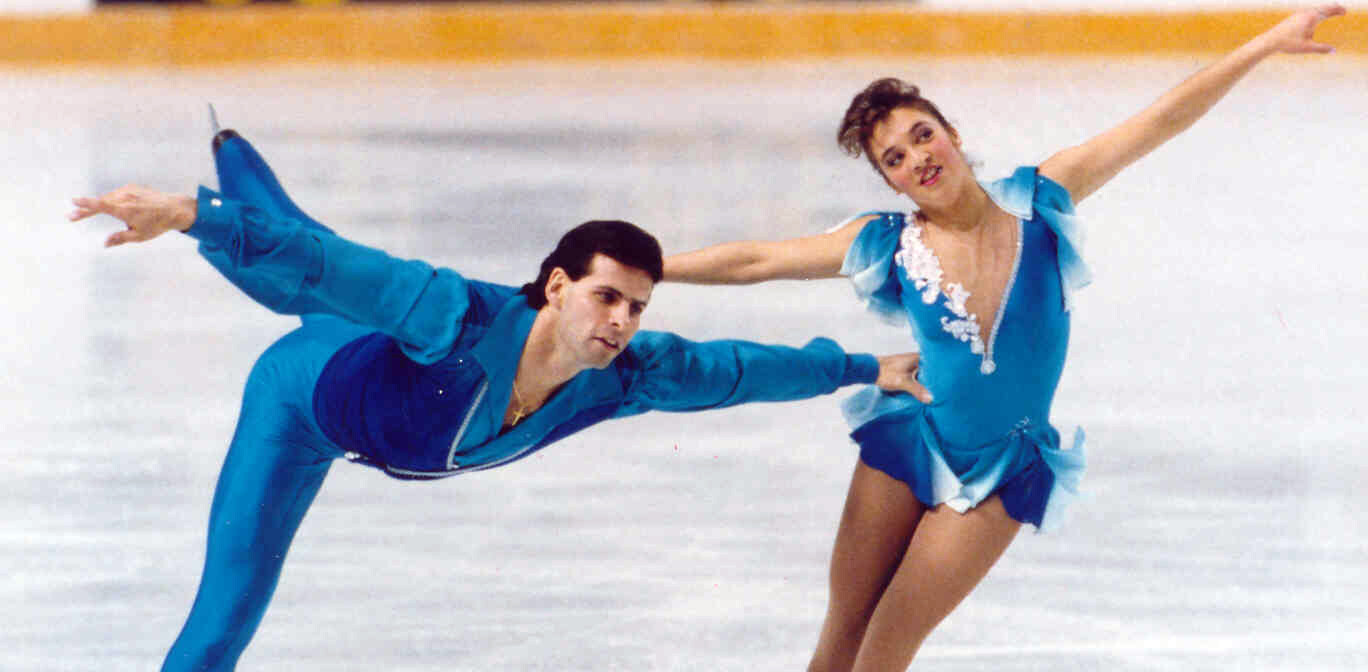
Canada also claimed gold in pairs as Isabelle Brasseur and Lloyd Eisler delivered a historic victory, marking the first time in nine years that a non-Russian pairs team captured the world title. The pair retired with five world medals and five Canadian titles, along with Olympic bronze medals in both 1992 and 1994.
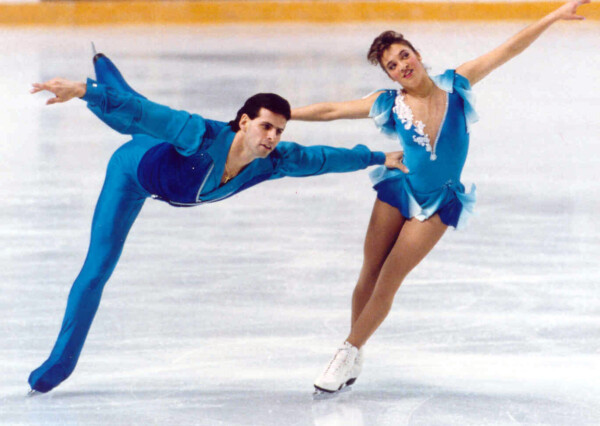
Isabelle Brasseur & Lloyd Eisler.
Looking Ahead to 2026
Fresh off outstanding performances at the Olympic Games—where four-time ice dance world medallists Piper Gilles and Paul Poirier captured the bronze—Canadian skaters arrive with momentum on their side. With Stephen Gogolev and the pair of Lia Pereira and Trennt Michaud also posting new personal best scores this season, Prague could once again prove to be the stage for defining Canadian performances.
Interested in tuning into the 2026 World Championships? Here’s everything you need to know ahead of the event.