
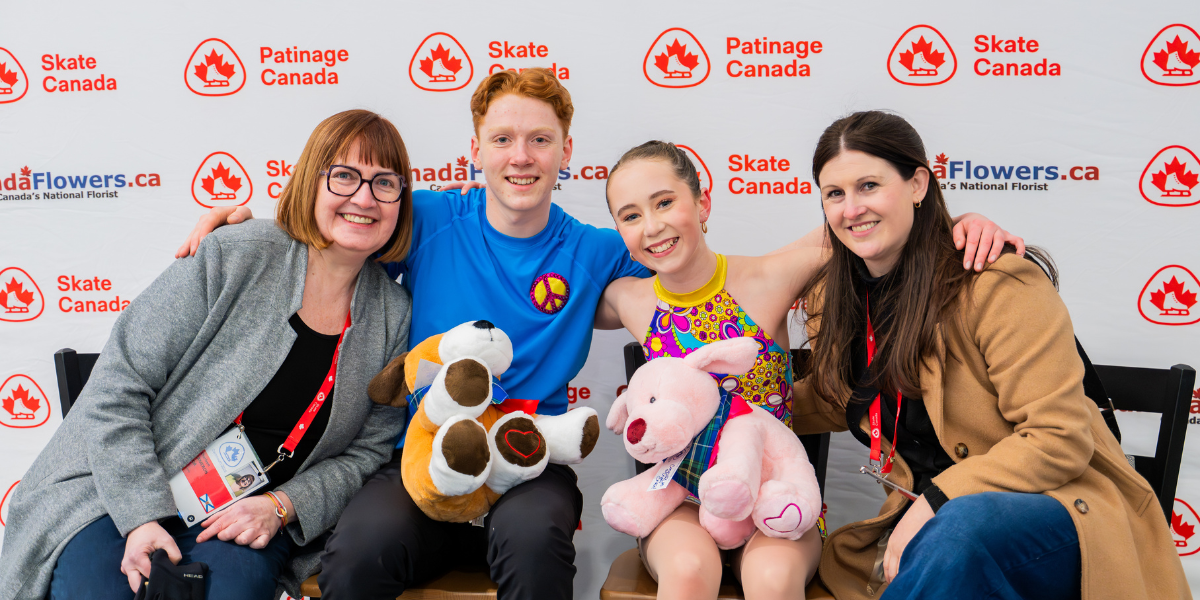
The Coach Behind Nova Scotia’s Growing Pairs Program
At the St. Margaret’s Bay Skating Club in Nova Scotia, pair skaters of all ages share the ice, from athletes taking their first steps in the discipline to teams competing at the national junior level. Just a decade ago, a program like this didn’t exist in Nova Scotia.
Today, under the leadership of coach Charleen Cameron, the club is home to 11 pair teams and a thriving grassroots development program. Built on the belief that there is no single path to success in pair skating, the program introduces athletes to the discipline at a young age and creates opportunities that many skaters might never have imagined.
Beginning with a Dream
The program began with a goal Cameron shared during a Skate Canada mentorship session. Participants were asked to write down their goals and share them with the group. Cameron stood up and said she wanted to build a true pair skating program in Nova Scotia.
Cameron didn’t come from a pair skating background and, at the time, had experience working with only a handful of teams. Rather than letting what she didn’t know hold her back, she sought out experienced pair coaches, learned from athletes and took every opportunity to expand her knowledge.
“I wanted to do it right,” she said.
Support through Skate Canada’s Pairs Initiative Program and National Mentorship Program played an important role, connecting Cameron with mentors and technical expertise that helped turn her idea into a sustainable program.
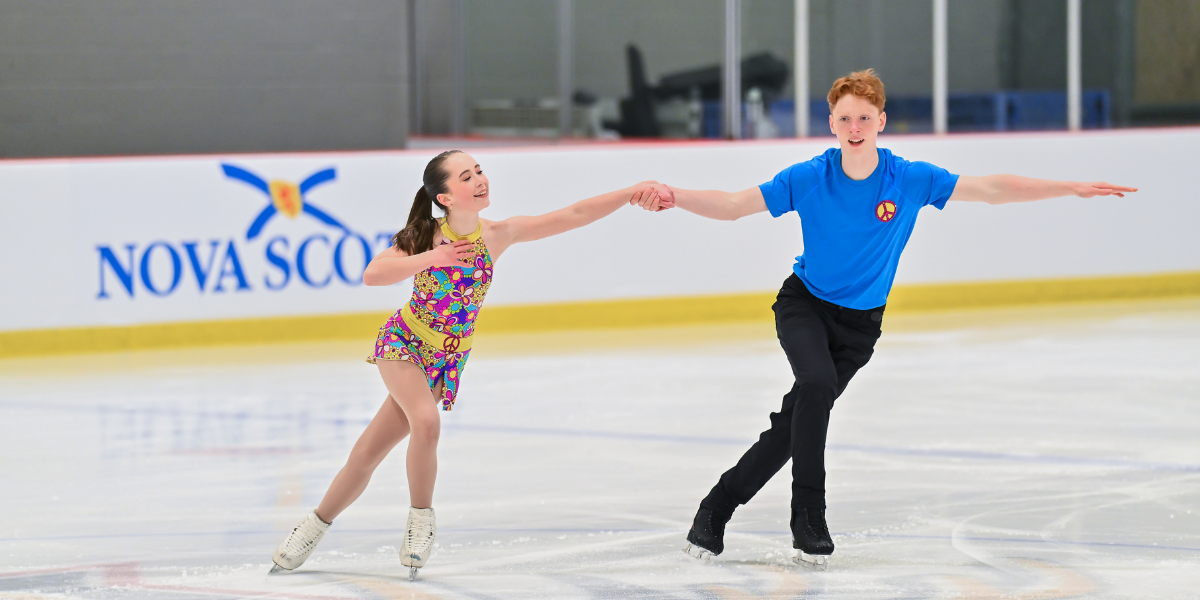
Addison Riley and Connell Meagher | 2026 Skate Canada Trophy
Reimagining the Pairs Pathway
As the program developed, Cameron chose to take a different approach from the traditional pathway, where accomplished singles skaters often transition into pairs later in their careers.
At St. Margaret’s Bay, athletes are introduced to pairs much earlier. Young skaters learn foundational skills, try different partnerships and develop the trust and teamwork needed to skate together.
“We’re kind of building them from the ground up,” said Cameron.
The goal is not simply to create more teams, but to make pair skating feel accessible to young athletes. Age-appropriate training and off-ice development help skaters build confidence while discovering skills they may not have known they had.
That approach is also helping uncover talent that might otherwise have gone unnoticed.
Turning Challenges into Opportunities
Building a pairs program in a smaller province comes with its challenges. Nova Scotia has a smaller athlete pool than some of Canada’s larger skating centres, making partner matching and access to specialized opportunities more difficult.
For Cameron, however, those limitations have become motivation rather than barriers.
“You can’t always use your geography as an excuse. You’ve got to use it as your superpower,” she said.
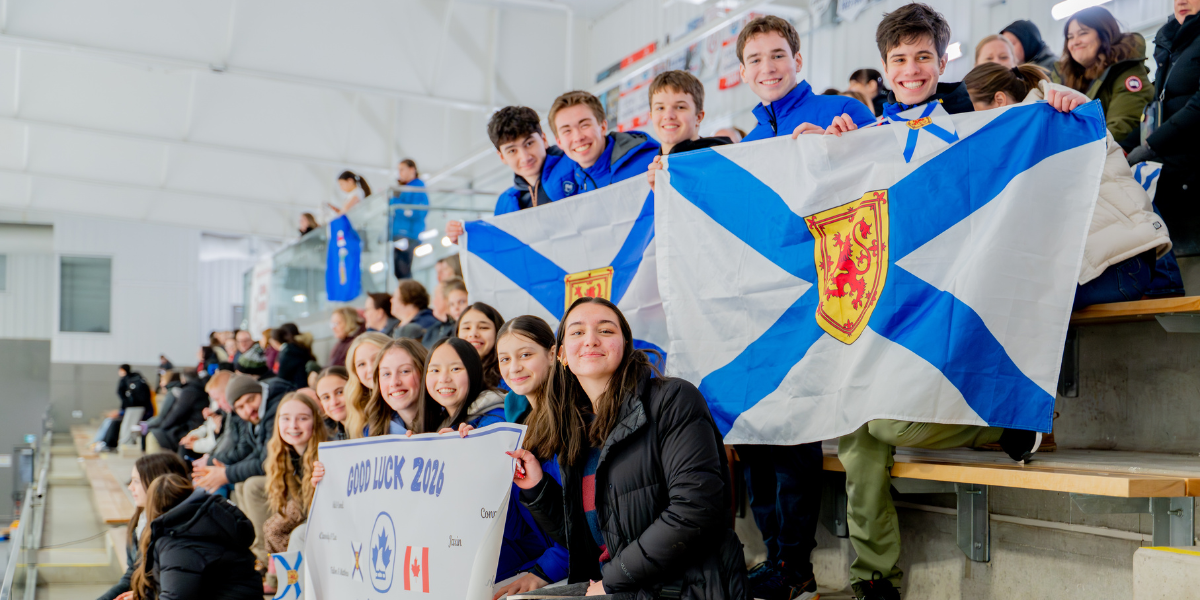
That mindset has fostered a collaborative skating community in Nova Scotia, with clubs, coaches and families working together to create opportunities for athletes.
Cameron has also leaned on the wider skating community. Coaches, officials, choreographers and technical specialists from across Canada have shared their knowledge, reviewed videos and offered feedback throughout her journey.
Their support helped her grow as a coach and reinforced an important lesson: coaching does not have to be done alone.
Creating Opportunities for Every Skater
The program’s impact can be seen in the range of athletes finding their way to pairs. Some arrive from hockey with strong skating skills but little figure skating experience, while others discover the discipline through introductory programs.
Earlier this year, Cameron launched a four-week initiative inviting young skaters to try pairs. More than 20 athletes participated, and three new teams had formed by the end.
Even those who did not find a partner walked away with a new experience and a glimpse of what could be possible.
“Some of them are just too young, but it makes them a little hungry that maybe in two more years they will try that again,” Cameron said.
For Cameron, curiosity is part of the program’s success. Not every skater will become a competitive pair athlete, but every opportunity to try the discipline can open a new door.
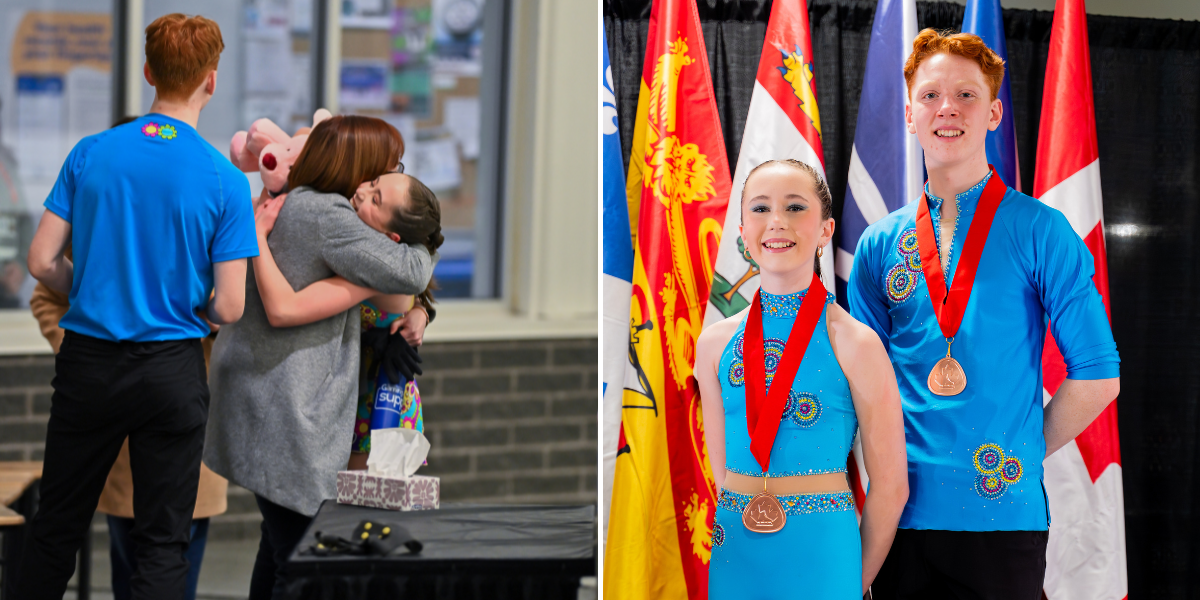
The progress of pre-novice pair Addison Riley and Connell Meagher offers a glimpse of that impact. The team’s bronze at the 2026 Skate Canada Trophy was a significant achievement for Cameron and Nova Scotia, where pairs representation at national competitions has been limited. Their success not only highlights the importance of creating pathways into the discipline but gives other young skaters someone to look to and a reason to believe pairs could be part of their own skating journey.
A Lesson for Coaches Everywhere
As the program continues to grow, Cameron hopes its story will inspire other coaches to explore the discipline, even if they don’t come from a pairs background.
“It’s not impossible. You just have to work hard, roll up your sleeves and dream big,” she said.
For Cameron, that means embracing challenges, seeking mentorship and being willing to ask questions along the way.
Her own journey is proof of what’s possible. What began as a dream has grown into a thriving pairs program, giving more Nova Scotia skaters the opportunity to discover a discipline they may never have considered. Through this grassroots program, Cameron is showing that with curiosity, perseverance and community support, coaches and athletes alike can create new pathways to success.
Ready to give pairs a try? Find a skating club near you and start your journey today!